Introduction
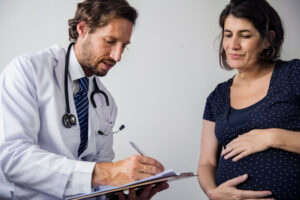
Some pregnancies carry more risks than others. Doctors call these high-risk pregnancies. High-risk pregnancy complications can affect both the mother and the baby. Because of this, it is important to know what these risks are. Early knowledge helps you spot problems and seek help quickly. Understanding pregnancy risks can lead to better outcomes for both mother and child.
Common Complications in High-Risk Pregnancy
Many women with high-risk pregnancies may face certain complications. Below are some of the most common ones:
Each of these high-risk pregnancy complications needs careful attention. Early action can make a big difference.
Symptoms and Warning Signs
Knowing what to watch for is key. If you notice any of these pregnancy complication symptoms, contact your doctor right away:
However, some symptoms may seem mild at first. Even so, it is better to be safe and check with your doctor.
Diagnosis and Monitoring
Doctors use several ways to find and track high-risk pregnancy complications. For example, they may:
Regular check-ups help catch issues early. Because of this, it is important to keep all your appointments.
Treatment and Management
Managing high-risk pregnancy often means working closely with your healthcare team. Treatment depends on the type of complication. Some common approaches include:
With the right care, many women have healthy pregnancies, even with complications.
Prevention and Lifestyle Tips
While not all risks can be avoided, you can take steps to lower your chances of problems. Here are some tips for managing high-risk pregnancy:
Even small changes can help reduce pregnancy risks and support your health.
When to Consult a Specialist
Sometimes, you may need extra care from a specialist. For example, if you have ongoing health problems or past pregnancy issues, your doctor may refer you to a maternal-fetal medicine expert. These doctors focus on high-risk pregnancy complications. If you notice any warning signs or feel unsure, do not wait. Contact your healthcare provider right away. Early action can protect both you and your baby.
If you have concerns about high-risk pregnancy complications, consult a healthcare specialist for personalized advice.