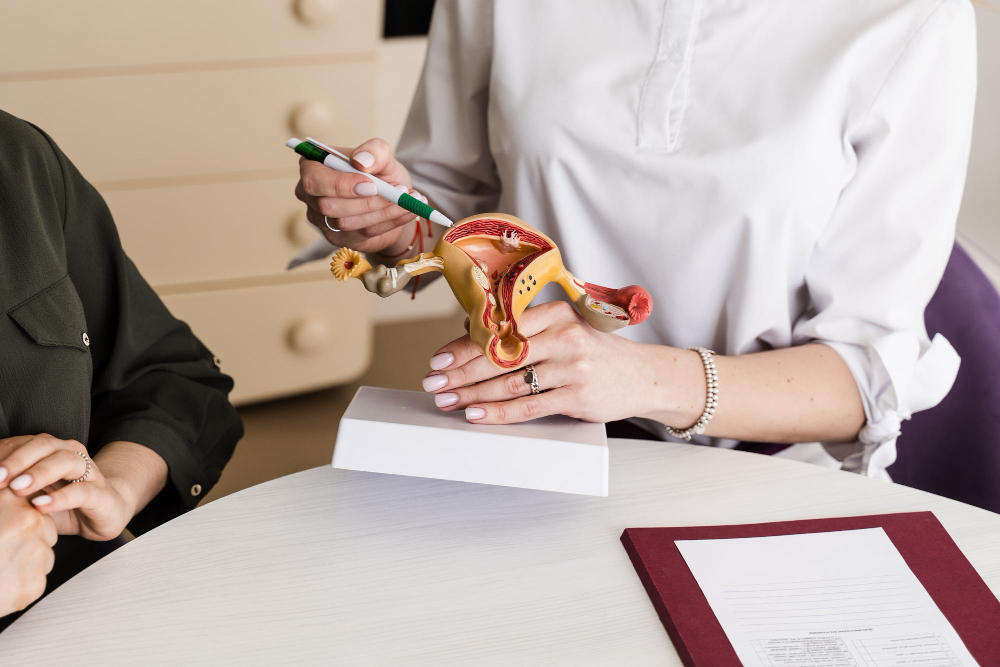
What is Endometriosis?
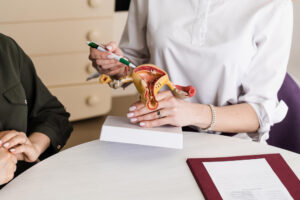
Endometriosis is a health condition that affects many women. It happens when tissue like the lining inside the uterus grows outside of it. This tissue can cause pain and other problems. Many people search for answers about what is endometriosis and how it affects daily life. Although it is not life-threatening, endometriosis can make living with endometriosis challenging. Early understanding and care can help manage symptoms and improve quality of life.
Common Symptoms of Endometriosis
Many women with endometriosis experience different symptoms. However, some signs are more common than others. Recognizing these can help you seek help sooner. Here are some symptoms to watch for:
Sometimes, symptoms can be mild. Other times, they can be severe. If you notice any of these signs, it is important to talk to a doctor.
Causes and Risk Factors
Doctors are still learning about what causes endometriosis. Even so, some factors may raise your risk. Here are a few possible causes and risk factors:
Although these factors may increase risk, anyone can develop endometriosis. The exact cause is still unknown. According to the World Health Organization (WHO), about 10% of women of reproductive age are affected by endometriosis.
How Endometriosis is Diagnosed
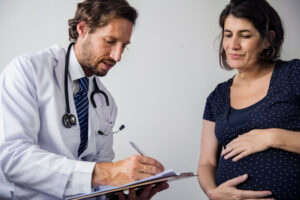
Getting a diagnosis for endometriosis can take time. Often, symptoms are similar to other conditions. However, doctors use several steps to find out if you have endometriosis:
Early diagnosis can help you start treatment sooner. If you think you may have endometriosis, do not wait to seek help.
Treatment Options for Endometriosis
There are several treatment options for endometriosis. The right choice depends on your symptoms and plans for having children. Here are some common treatments:
Although treatment can help manage symptoms, it may not cure endometriosis. Your doctor will help you choose the best plan for you.
Lifestyle Tips for Managing Endometriosis
Living with endometriosis can be tough. However, some lifestyle changes may help ease symptoms. Consider these tips:
Because everyone is different, what works for one person may not work for another. Try different approaches to see what helps you most.
Prevention and When to See a Doctor
Currently, there is no sure way to prevent endometriosis. However, knowing your risk and watching for symptoms can help. If you have severe period pain, heavy bleeding, or trouble getting pregnant, see a doctor. Early care can make a big difference. According to the Centers for Disease Control and Prevention (CDC), early treatment can help manage symptoms and improve quality of life.
If you have questions or concerns about endometriosis, consult a healthcare specialist for personalized advice about endometriosis.